

SEO Description: Learn how to make Huajuhong Herbal Tea at home with dried Huajuhong, hot water, and simple brewing steps. This practical guide covers Huajuhong Herbal Tea ingredients, preparation, rinsing, brewing time, flavor adjustment, serving methods, storage, and useful tips for enjoying a Traditional Citrus botanical tea at home.
How to Make Huajuhong Herbal Tea at Home
Huajuhong Herbal Tea is a simple traditional botanical drink that can be prepared at home with dried Huajuhong and hot water. You do not need complicated equipment or a long preparation process. With good-quality dried Huajuhong, a suitable cup or teapot, and clean hot water, making Huajuhong Herbal Tea can become an easy part of a daily tea routine.
The key to good Huajuhong Herbal Tea is not simply adding dried peel to hot water. The amount of Huajuhong, water temperature, brewing time, slice thickness, storage condition, and raw material quality all influence the final aroma and taste. A balanced preparation usually gives a natural citrus fragrance with a characteristic peel flavor and mild bitterness.
Our Huajuhong products are associated with Huazhou, Guangdong, an important origin area for Huajuhong. We combine standardized planting, whole-process cultivation management, careful harvesting, modern processing, drying, grading, quality inspection, and protective packaging. Our products are supplied for home tea preparation, herbal tea, botanical products, retail, gifting, wholesale, and customized OEM or private-label projects.
Huajuhong Herbal Tea is a tea-style botanical preparation made primarily with Huajuhong, a dried citrus peel material traditionally associated with Citrus grandis 'Tomentosa'. In traditional botanical terminology, the dried material is also associated with Citri Grandis Exocarpium.
Huajuhong has a distinctive citrus character and a long history of traditional botanical use. Historical research has examined its botanical source, harvesting, processing, and standardization, while modern studies have investigated its natural chemical components. These two aspects should be kept separate: traditional use describes historical practice, while laboratory research does not automatically establish a medical effect in people.
For home preparation, Huajuhong Herbal Tea is usually much simpler than a formal traditional preparation. The dried material can be brewed with hot water in a cup or teapot, making it convenient for people who want to experience its citrus aroma without complicated equipment.
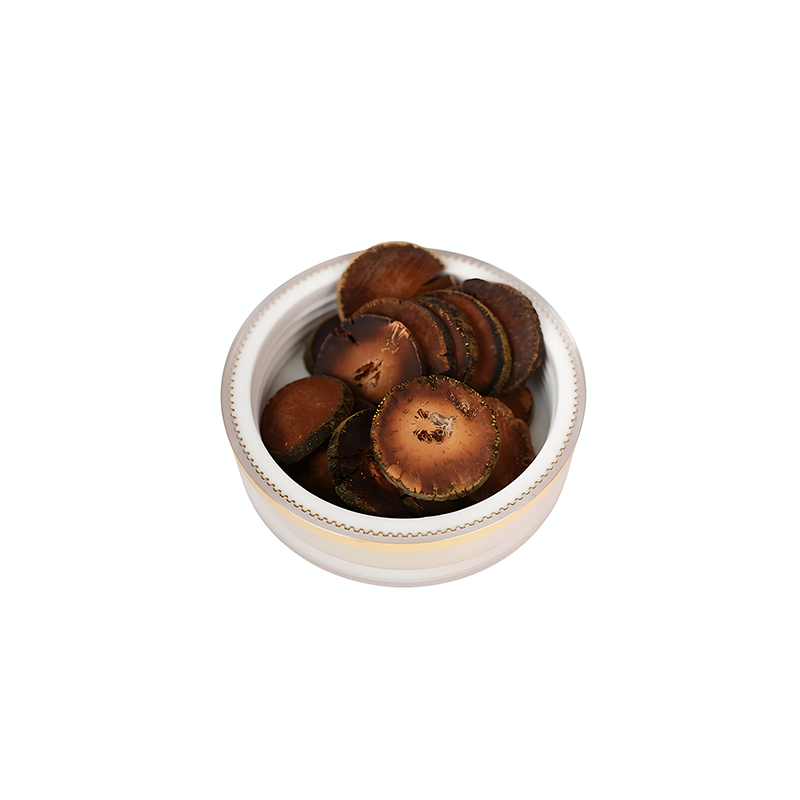
Making Huajuhong Herbal Tea at home gives you direct control over the amount of dried Huajuhong, water volume, brewing time, and flavor strength. This is useful because different people have different preferences. One person may prefer a light citrus aroma, while another may enjoy a deeper and more pronounced peel flavor.
Home preparation also makes it easy to experiment. You can start with a small amount of Huajuhong, taste the first infusion, and then adjust the next cup. There is no need to follow an unnecessarily complicated recipe.
Another advantage is convenience. Properly dried Huajuhong can be stored much more easily than fresh citrus peel. When kept in suitable packaging and protected from humidity, the dried material is ready whenever you want to prepare Huajuhong Herbal Tea.
The basic ingredients for Huajuhong Herbal Tea are simple:
Dried Huajuhong
Clean hot water
A cup, glass, ceramic teapot, tea infuser, or other heat-resistant container can be used. No special machine is necessary.
The simplest preparation uses only Huajuhong and water. If you want to create a botanical blend, other suitable herbal tea ingredients can be added, but it is better to understand the flavor of plain Huajuhong Herbal Tea first.
The quality of the raw material has a direct effect on Huajuhong Herbal Tea. Start by choosing dried Huajuhong with a natural appearance, suitable dryness, clean surface, and characteristic citrus aroma.
For a home tea, visual inspection is a useful first step. The dried material should not have an obvious unusual odor or visible foreign material. The package should also be intact and free from obvious moisture exposure.
For commercial buyers, the selection process should be more detailed. Botanical source, geographical origin, harvesting stage, product form, drying method, size, packaging, and inspection requirements can all be included in a product specification.
Before making Huajuhong Herbal Tea, take out the amount of dried Huajuhong you plan to use. If the product is supplied as slices, choose pieces with reasonably consistent size. If the material is supplied in larger pieces or whole fruit form, break or cut it according to the intended preparation method.
Consistent pieces make it easier to control the brewing result. Very large pieces may release their aroma more slowly, while thin slices may brew more quickly.
If the dried Huajuhong has been stored for a long time, inspect it before use. Check its appearance, dryness, aroma, and storage condition. If the product does not meet the expected condition, do not use it simply because the package is still present.
A quick rinse can be used when preparing Huajuhong Herbal Tea. Place the dried Huajuhong in a suitable container and rinse it briefly with clean water. The purpose is to remove loose surface particles before brewing.
A long soaking period is generally unnecessary for ordinary home tea preparation. After a brief rinse, proceed directly to the hot-water brewing stage.
The exact preparation method can depend on the product specification. If a packaged Huajuhong product provides specific preparation instructions, follow those instructions.
The amount of Huajuhong Used in Huajuhong Herbal Tea determines how strong the final tea will taste. There is no single amount that works for every cup because the size and thickness of dried pieces can vary.
A practical approach is to begin with a moderate amount. If the tea tastes too light, increase the amount next time. If the tea tastes too strong or bitter, reduce the amount.
When using Huajuhong Herbal Tea in a larger teapot, increase the quantity according to the volume of water. Keeping the ratio reasonably consistent makes it easier to reproduce a preferred flavor.
Place the dried Huajuhong into a cup or teapot and pour in clean hot water. The heat helps release soluble components and natural aroma from the dried peel.
For Huajuhong Herbal Tea, extremely complicated temperature control is not necessary for ordinary home use. The important point is to use hot water suitable for herbal tea preparation and adjust the brewing time according to the result.
As the dried Huajuhong absorbs water, the pieces gradually become softer. The citrus aroma may become more noticeable as the infusion develops.
Allow the Huajuhong Herbal Tea to steep for several minutes. After the initial brewing period, smell and taste the tea. If the citrus character is too weak, continue steeping briefly. If the flavor is already strong enough, the tea is ready to serve.
Longer brewing does not automatically mean better tea. Because citrus peel can have a naturally bitter character, excessive brewing may create a stronger flavor than some people prefer.
The best method is to treat brewing time as an adjustable factor. Start conservatively, taste the tea, and modify the next preparation.
One of the best things about making Huajuhong Herbal Tea at home is that you can adjust it to your own preference.
| Desired Result | Practical Adjustment |
|---|---|
| Lighter flavor | Use fewer pieces or more water. |
| Stronger citrus aroma | Use slightly more Huajuhong or brew longer. |
| Less bitterness | Reduce the amount or shorten brewing time. |
| More pronounced flavor | Use a suitable quantity and allow sufficient steeping. |
| Second infusion | Use thicker pieces that still retain aroma and flavor. |
Small changes can make a surprisingly noticeable difference. It is better to adjust one factor at a time rather than changing the amount, water volume, and brewing time simultaneously.
Huajuhong Herbal Tea generally has a natural citrus aroma with a characteristic dried-peel flavor. Depending on the raw material and processing method, the taste may be aromatic, mildly bitter, slightly earthy, or more rounded after aging.
Slice thickness can influence the brewing experience. Thin slices may release aroma relatively quickly, while thicker pieces can provide a slower and more gradual infusion.
Processing also matters. Drying can affect the natural compounds present in citrus peel, while storage and aging can further influence aroma and composition. Research on citrus processing has reported changes in naturally occurring compounds under different processing conditions.
This means that two products labeled as Huajuhong Herbal Tea may not taste exactly the same. Botanical source, growing region, harvesting stage, drying process, storage, and product age can all contribute to sensory differences.
Yes, Huajuhong Herbal Tea can often be infused more than once. A second infusion is generally lighter than the first, but thicker pieces may still release useful aroma and flavor.
If you want to try a second infusion, simply add hot water again after finishing the first cup. Taste the second infusion and decide whether the flavor remains pleasant.
The suitability of repeated brewing depends on the size, thickness, processing, and quality of the Huajuhong. Thin pieces may release most of their flavor during the first infusion, while thicker pieces can retain more.
After brewing, remember that the material is now wet. Do not store wet Huajuhong for an extended period as though it were still a dry product.
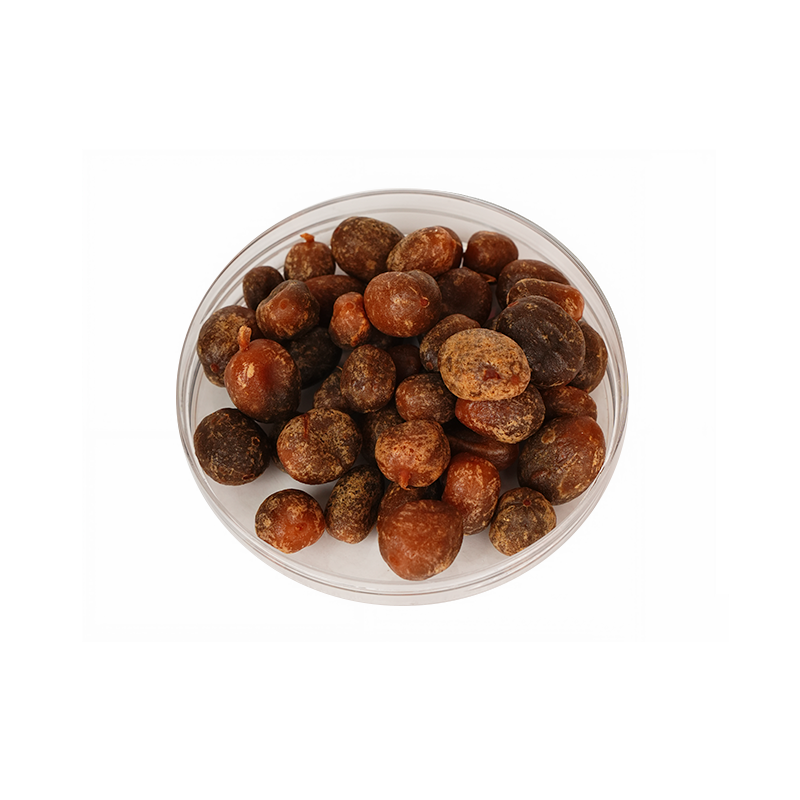
Huajuhong Herbal Tea can also be prepared as part of a botanical tea blend. The citrus aroma can add a distinctive top note to a mixture containing other suitable herbal ingredients.
For a simple home blend, start with a small amount of another botanical ingredient and a moderate amount of Huajuhong. This allows you to understand how the flavors interact.
Commercial tea manufacturers should use controlled formulations instead of home-style estimates. The final recipe should be tested for taste, aroma, ingredient compatibility, packaging stability, and applicable market requirements.
Huajuhong Herbal Tea is connected with the traditional botanical use of Huajuhong. Historical records and modern research have examined Citri Grandis Exocarpium and its relationship with Citrus grandis 'Tomentosa'.
It is useful to distinguish traditional botanical use from modern medical claims. Research into natural compounds may help scientists understand the material, but research findings do not automatically mean that drinking Huajuhong Herbal Tea treats or prevents a particular disease.
For everyday use, Huajuhong can simply be appreciated as a traditional citrus botanical ingredient with a recognizable aroma and flavor.
The origin of Huajuhong Herbal Tea is important because Huazhou, Guangdong, is closely associated with Citrus grandis 'Tomentosa' and traditional Huajuhong Production.
Origin matters because different citrus cultivars and growing regions can have different physical and chemical characteristics. Scientific studies have identified differences among citrus materials based on cultivar, region, growth stage, and processing.
Our supply system focuses on maintaining the origin characteristics of Huajuhong while applying modern production management. Standardized planting, field management, manual harvesting, processing, drying, grading, inspection, and packaging are incorporated into our supply process.
Our approach to Huajuhong Herbal Tea begins with raw material management. We use standardized planting practices and whole-process management from seed selection and seedling cultivation to field maintenance and harvesting.
After harvesting, selected material is cleaned and processed according to the intended product specification. Cutting, drying, grading, inspection, and packaging are then carried out under controlled production procedures.
Our modern dust-controlled production lines help improve handling conditions. Depending on the product, quality procedures can include checks of appearance, cleanliness, dryness, size, packaging integrity, and other agreed specifications.
The goal is not to make every traditional product identical in every detail. The goal is to provide a stable and clearly specified product so customers know what they are purchasing.
Proper storage is essential for maintaining the quality of Huajuhong Herbal Tea. Dried Huajuhong should be protected from excessive moisture, water exposure, contamination, and strong odors.
At home, keep the dried material in a clean, sealed container. Do not leave the package open in a humid kitchen for long periods, especially near steam or boiling water.
For commercial storage, moisture-resistant inner bags, cartons, woven bags, or customized packaging can be used according to the order requirements. Packaging should be selected according to transportation conditions, warehouse humidity, storage duration, and destination market.
A glass teapot is a convenient option for preparing Huajuhong Herbal Tea because you can observe the dried peel as it absorbs water and watch the infusion develop.
Place the Huajuhong into the teapot, add hot water, and allow it to steep. The pieces will gradually soften, while the water takes on the characteristic appearance of the infusion.
A glass teapot is particularly useful when serving Huajuhong Herbal Tea to guests because the dried citrus pieces remain visible during preparation.
A cup is the simplest option for preparing Huajuhong Herbal Tea. Place a moderate amount of dried Huajuhong into the cup and add hot water.
Allow the tea to steep for several minutes, then taste it. If necessary, add more hot water to reduce the intensity. This method works well for people who want a quick serving without preparing a full teapot.
When preparing Huajuhong Herbal Tea for guests, consistency becomes more important. Use similar quantities of Huajuhong and water for each serving so that everyone receives a comparable flavor.
Whole pieces or attractive slices can be used when appearance is important. A transparent glass teapot can also make the preparation more visually appealing.
If guests are unfamiliar with Huajuhong, start with a lighter infusion. The characteristic citrus and mild bitter notes may be unfamiliar to people who normally drink sweet fruit tea.
Huajuhong Herbal Tea can be prepared as a simple everyday botanical drink. There is no need to make the process complicated. The most useful habit is to keep the dried material properly stored and use a consistent preparation method.
Some people prefer a lighter cup during the day, while others enjoy a stronger citrus flavor. The flexibility of dried Huajuhong makes it easy to adjust the preparation.
For daily use, focus on taste, product quality, appropriate storage, and the preparation instructions associated with the specific product.
Beyond home preparation, Huajuhong Herbal Tea can be developed into commercial herbal tea products. Dried Huajuhong can be supplied in bulk, sliced formats, retail packs, tea blends, gift packaging, and customized private-label formats.
For commercial production, manufacturers should define the ingredient specification, packaging format, product weight, brewing instructions, labeling, and applicable market requirements before production.
Our company supports wholesale customers with product specifications, packaging options, OEM, and private-label cooperation. Standard production lead time is normally around 7–20 working days after order confirmation, depending on quantity, raw material availability, processing requirements, packaging, and customization.
Huajuhong Herbal Tea is suitable for development in Southeast Asian markets where botanical tea, traditional ingredients, and citrus-based products have commercial potential.
Our key export-oriented markets include Vietnam, Thailand, Malaysia, Indonesia, and Singapore. We provide Huajuhong materials and finished-product solutions for tea businesses, retailers, distributors, specialty food businesses, botanical product manufacturers, and wholesale customers.
Packaging can be customized according to market requirements. Options may include moisture-resistant inner bags, cartons, retail packages, gift boxes, and other formats.
Import requirements vary between countries and product categories. Buyers should confirm applicable requirements for ingredients, labeling, documentation, packaging, and import procedures before commercial shipment.
One common mistake is using too much dried Huajuhong. Because citrus peel naturally has a noticeable flavor, excessive quantities can make Huajuhong Herbal Tea stronger and more bitter than expected.
Another mistake is brewing for too long without tasting. If the flavor becomes too strong, reduce the brewing time during the next preparation.
Storing dried Huajuhong incorrectly is another problem. Exposure to high humidity can affect dried botanical products. Always keep unused material sealed and dry.
Finally, do not assume that every product labeled as Dried Pomelo Peel has the same botanical identity as Huajuhong. If botanical source and origin are important, confirm them with the supplier.
You mainly need dried Huajuhong, clean hot water, and a cup or teapot. A tea infuser or strainer can also be used if preferred. Huajuhong Herbal Tea does not require complicated equipment.
Several minutes is a practical starting point. The ideal brewing time for Huajuhong Herbal Tea depends on slice thickness, quantity, water volume, and personal taste. Taste the tea and adjust the next preparation accordingly.
Citrus peel naturally contains bitter-tasting components. If Huajuhong Herbal Tea tastes too bitter, try using less Huajuhong, more water, or a shorter brewing time.
Yes. Huajuhong Herbal Tea can be prepared as a single-ingredient botanical tea. This simple method allows the natural citrus aroma and characteristic dried-peel flavor to stand out.
Yes. Suitable botanical ingredients can be combined with Huajuhong Herbal Tea to create different flavors. For commercial products, the complete formulation should be tested and developed according to the target market and applicable requirements.
Keep the dried material used for Huajuhong Herbal Tea in a sealed, clean, dry container. Protect it from humidity, water, steam, and strong odors. Proper storage helps maintain the expected dried condition and aroma.
Yes. Thicker pieces of Huajuhong can often be used for a second infusion. The second Huajuhong Herbal Tea infusion will usually be lighter, so taste it and decide whether the aroma and flavor remain pleasant.
Yes. We supply Huajuhong materials for wholesale herbal tea, botanical products, retail, gifting, distribution, OEM, and private-label applications. Product form, packaging, quantity, lead time, and inspection requirements can be agreed before production.
Huajuhong Herbal Tea is easy to make at home. Start with clean, properly dried Huajuhong, rinse it briefly when appropriate, place it in a cup or teapot, add hot water, and allow it to steep for several minutes. Taste the tea and adjust the quantity or brewing time until you find a flavor you enjoy.
The quality of Huajuhong Herbal Tea begins with the raw material. Botanical source, Huazhou origin, cultivation, harvesting, cleaning, cutting, drying, grading, storage, and packaging all contribute to the final brewing experience.
Our Huajuhong supply combines standardized planting and traditional product knowledge with modern processing, quality inspection, protective packaging, and export-oriented service. We provide Huajuhong for home herbal tea, commercial tea production, botanical products, retail, gifting, wholesale distribution, OEM, and private-label projects.
For customers in Vietnam, Thailand, Malaysia, Indonesia, Singapore, and other international markets, we can provide different Huajuhong product formats and customized packaging solutions. Whether the goal is a simple cup of Huajuhong Herbal Tea at home or a commercial botanical tea product, a clear raw material specification and consistent processing provide a solid starting point.
Copyright @ Xiangyun Platform Information Technology Co., Ltd All rights reserved Filing Number: CP Reserve123456789-1
Powered by Xiangyun Platform Technical Support: Xiangyun Platform Disclaimer Website Map | RSS | XML
Карта сайтаЭтот веб-сайт использует файлы cookie, чтобы обеспечить вам максимально эффективное использование нашего веб-сайта.
 English
 Español
 Portugues
 Français
 Deutsch
 日本語
日本語 한국어
한국어 العربية
 Italiano
 ไทย
ไทย Indonesia
 Melayu
 Tiếng Việt
 中文
中文 Magyar
 မြန်မာ
 ພາສາລາວ
 Filipino
 ខ្មែរ
ខ្មែរ


Комментарий
(0)